Source Portable Battery Electric Drum for Music Therapy
Compare 30 listings for the portable battery electric drum suitable for professional playing, religious rites, and music therapy. Buyers can evaluate features like silicone drumheads, ABS chambers, and various power modes to find the right equipment for their needs; compare the available evidence and request quotations based on your requirements.
Key considerations
Products List
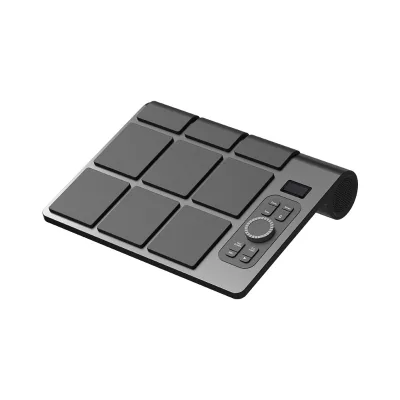


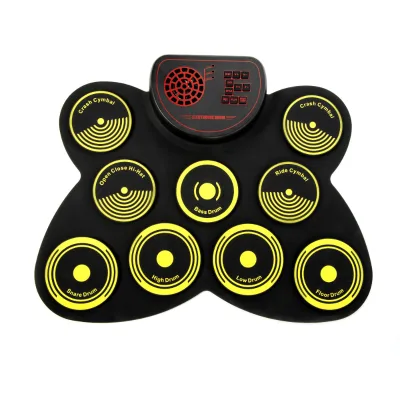
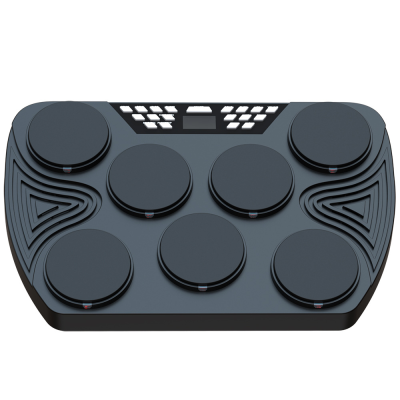


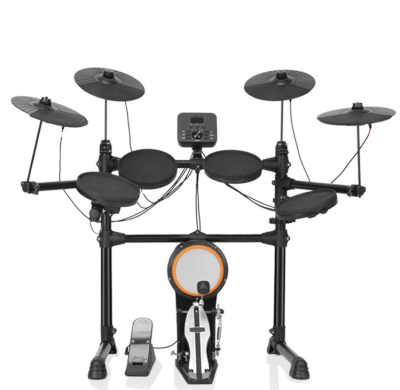


Comprehensive Sourcing Guide
Portable Battery Electric Drum Sourcing Guide
Sourcing portable battery-powered electronic drum kits requires a careful balance between acoustic authenticity and electronic versatility. Buyers must prioritize devices that offer genuine portability without compromising on sound quality or structural integrity. The market presents various models, ranging from compact practice units to professional-grade setups, each with distinct power and connectivity profiles. Understanding these variations is essential for selecting the right equipment for specific use cases, whether for stage performance, studio recording, or mobile practice sessions.
Procurement decisions should be guided by clear technical requirements and supplier transparency. Key factors include battery life, weight distribution, and the durability of the drum pads and frame. Buyers should verify that the chosen model supports the necessary connectivity options, such as USB MIDI or audio outputs, to integrate seamlessly with existing digital audio workstations or amplification systems. This guide outlines the critical considerations for evaluating portable electric drum sets, ensuring that procurement teams make informed, evidence-based decisions that align with their operational needs and budget constraints.
Product Scope and Observed Listing Signals
The current market for portable electronic drums includes a diverse range of products, with observed price points spanning from approximately $0.10 to $35,000 USD. This wide variance reflects differences in build quality, brand reputation, and feature sets, from basic practice pads to comprehensive professional kits. Minimum order quantities (MOQs) typically range from 1 to 3,000 units, indicating that suppliers cater to both individual buyers and large-scale distributors. Buyers should carefully assess these signals to determine the appropriate tier of product for their specific procurement volume and budget.
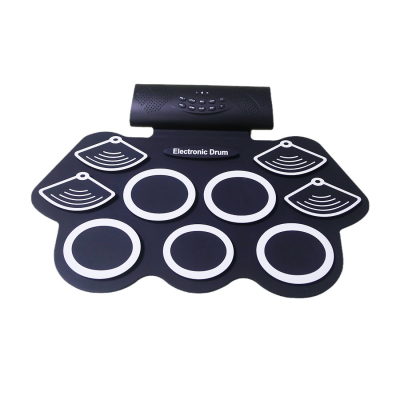
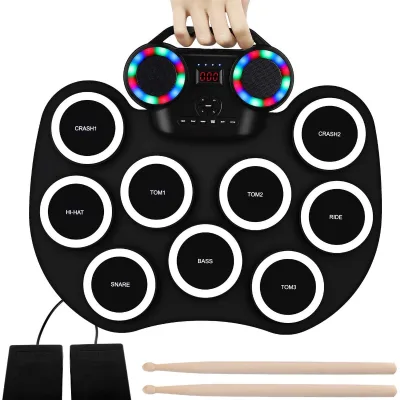
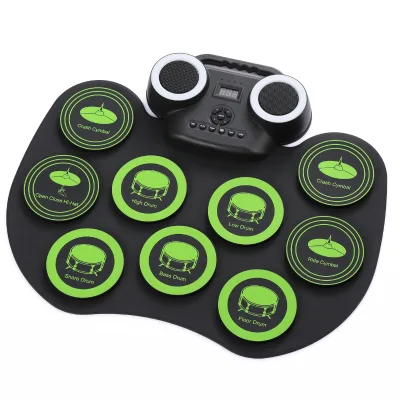
Product listings often highlight key attributes such as battery power mode, with many units featuring rechargeable battery systems for enhanced mobility. Common specifications include dimensions around 37x29x9cm for compact models and larger setups measuring up to 915x448x315mm for full kits. Materials frequently cited include ABS drum chambers and silicone or mesh heads, which offer varying levels of noise reduction and tactile feedback. Packaging is typically designed for safe transit, using carton boxes with protective materials like pearl cotton to prevent damage during shipping.
Technical Specifications to Verify
When evaluating technical specifications, buyers should focus on the power system and connectivity options. Many portable drum sets utilize rechargeable batteries, but the specific capacity and charging time are critical for ensuring uninterrupted performance during extended use. Connectivity features such as USB MIDI, headphone jacks, and audio inputs/outputs are essential for integrating the drum kit with other musical equipment. Buyers must verify that the connectors are robust and that the device supports the necessary protocols for seamless data transfer and audio output.
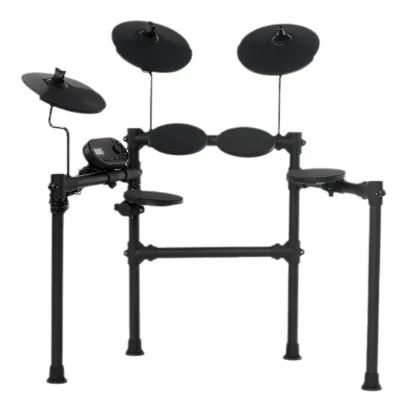
The construction materials and dimensions also play a significant role in the overall performance and portability of the drum set. Drum chambers made from ABS plastic offer durability and lightweight properties, while mesh heads provide a realistic playing experience with reduced noise levels. Buyers should check the single gross weight, which can range from 11kg to 25kg depending on the model, to ensure that the kit is manageable for transport. Additionally, the inclusion of accessories such as stands, pedals, and drumsticks should be confirmed to ensure a complete and ready-to-play package.
Compliance and Safety Documentation
Compliance with international safety and environmental standards is crucial for electronic musical instruments. Buyers should request documentation confirming that the products meet relevant certifications, such as CE, FCC, and RoHS, which indicate adherence to strict safety and environmental regulations. These certifications ensure that the electronic components, including batteries and circuitry, are safe for consumer use and do not contain hazardous substances. Verifying these certifications helps mitigate legal and safety risks associated with importing and selling electronic devices.
In addition to product certifications, buyers should inquire about the safety standards for the battery systems used in the drum sets. Standards such as IEC 62133 for portable lithium-ion batteries provide guidelines for safety and performance, ensuring that the batteries are less likely to overheat or fail. While specific test results may not always be publicly available, buyers should ask suppliers to provide evidence of compliance with these standards. This due diligence is essential for maintaining product quality and protecting end-users from potential hazards.
Cost Drivers and Commercial Terms
Several factors influence the cost of portable battery electric drum sets, including the complexity of the electronic components, the quality of the materials, and the level of customization offered. High-end models with advanced sound engines, durable mesh heads, and robust frames will naturally command higher prices. Buyers should also consider the cost of accessories and additional features, such as metronomes or speed control functions, which can add to the overall expense. Understanding these cost drivers helps in budgeting and negotiating favorable terms with suppliers.
Commercial terms, such as MOQs, sample times, and warranty policies, also impact the total cost of ownership. Suppliers may offer lower prices for larger orders, but buyers must weigh this against their inventory holding costs and storage capabilities. Sample times, often within seven days, allow buyers to evaluate product quality before committing to a larger purchase. Warranty periods, typically around one year, provide assurance against manufacturing defects. Buyers should negotiate clear terms regarding returns, repairs, and after-sales support to minimize potential risks.
Supplier Qualification and Quality Control
Selecting a reliable supplier is paramount for ensuring consistent product quality and timely delivery. Buyers should verify the supplier’s manufacturing capabilities, including their production capacity and quality control processes. Suppliers with OEM/ODM services offer flexibility for customization, allowing buyers to tailor products to their specific brand requirements. It is essential to assess the supplier’s experience in the musical instrument industry and their track record of delivering high-quality products.
Quality control measures should be clearly defined and enforced throughout the production process. Buyers should request information on the supplier’s inspection protocols, including pre-production, during-production, and pre-shipment inspections. These inspections help identify and rectify defects early, reducing the risk of receiving substandard products. Additionally, buyers should consider third-party inspection services to provide an independent assessment of product quality. Establishing a strong relationship with a qualified supplier ensures a smoother procurement process and higher customer satisfaction.
Long-Term Procurement Checks
Long-term procurement success depends on continuous monitoring of supplier performance and product quality. Buyers should establish key performance indicators (KPIs) to track metrics such as on-time delivery, product defect rates, and customer feedback. Regular audits and reviews of supplier performance help identify areas for improvement and ensure that the supplier remains aligned with the buyer’s quality standards. Maintaining open communication with suppliers facilitates prompt resolution of any issues that may arise during the procurement process.
Furthermore, buyers should stay informed about industry trends and technological advancements in portable electronic drums. This knowledge enables proactive adjustments to procurement strategies and product offerings. Regularly updating product specifications and requirements ensures that the buyer remains competitive in the market. By focusing on long-term relationships and continuous improvement, buyers can secure a reliable supply of high-quality portable battery electric drum sets that meet the evolving needs of their customers.
FAQs
What power modes are available for these drums?
These drums operate using battery power and rechargeable battery modes. This design ensures portability for professional playing and musical percussion usage without needing constant external power sources during performance.
Which certifications do the electronic drum sets hold?
The products hold CE, FCC, and RoHS certifications. These standards confirm safety and compliance for international markets, ensuring the electronic drum sets meet required electrical and environmental regulations for professional use.
Can I customize the logo on the drum set?
Yes, clients can accept their own logo on the product. The service supports OEM and ODM customization, allowing buyers to brand the durable musical drums according to their specific business requirements and market needs.
What is the minimum order quantity for these drums?
The minimum order quantity is ten units for this specific model. Buyers can order single items or larger batches, with packaging provided as one set per carton including pearl cotton for advanced anti-shock protection.
How long does it take to receive a sample?
Samples are available within seven days of request. This quick turnaround allows buyers to verify the quality of the mesh head electronic drum set before committing to larger orders for professional playing or music therapy.
What materials are used for the drumheads and chamber?
The drumheads are made of silicone while the drum chamber uses ABS material. These durable materials ensure stable performance and longevity, making the electronic drum set suitable for religious rites, play performance, and music therapy applications.
Which connectors are included with the drum set?
The set includes USB Midl, headphones, audio input, and audio output connectors. These features enable MIDI function and connectivity with various audio devices, supporting the speed control range of 30 to 250 beats per minute.